
Introduction
In today's competitive business environment, organizations are expected to meet international standards for quality, environmental management, information security, occupational health and safety, food safety, and energy management. To achieve these goals, businesses need skilled professionals who understand ISO standards and can implement, audit, and maintain management systems effectively. ISO training has become an essential investment for individuals and organizations aiming to improve compliance, operational efficiency, and customer satisfaction.
Whether you are a quality manager, engineer, auditor, consultant, compliance officer, or fresh graduate, ISO training provides practical knowledge of internationally recognized management system standards. These training programs help professionals develop the skills required to implement ISO standards, conduct internal and external audits, identify risks, and support continual improvement initiatives.
In 2026, ISO training has evolved to include Artificial Intelligence (AI), digital auditing, cloud-based management systems, Environmental, Social, and Governance (ESG) practices, and sustainability strategies. This article explains everything you need to know about ISO training, including its benefits, course types, career opportunities, and the latest industry trends.
What Is ISO Training?
ISO training refers to professional learning programs designed to help individuals understand, implement, maintain, and audit International Organization for Standardization (ISO) management system standards. These courses are available for different ISO standards and skill levels, ranging from foundation programs to lead auditor certifications.
Popular ISO training courses include:
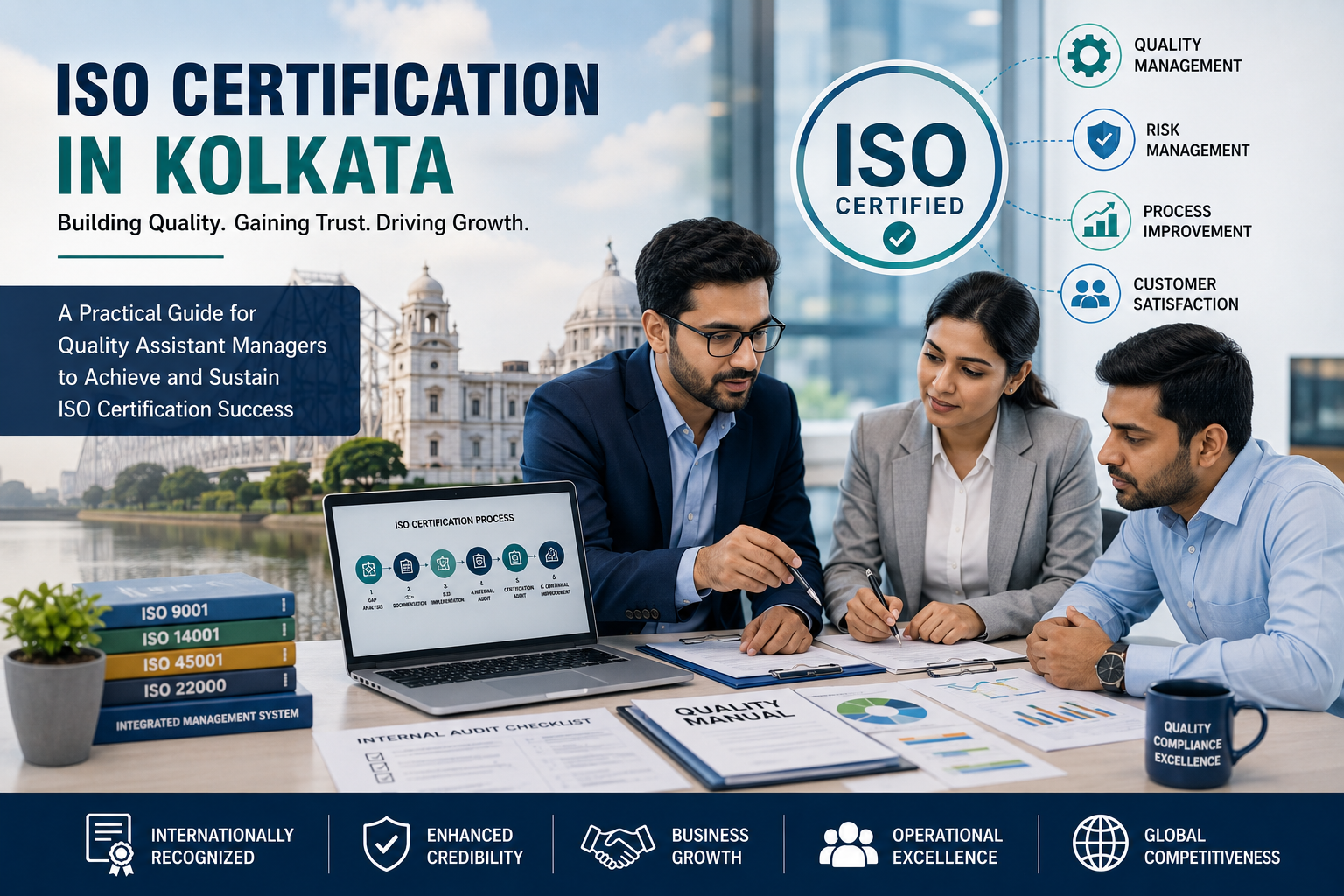
ISO 9001 Quality Management System (QMS)
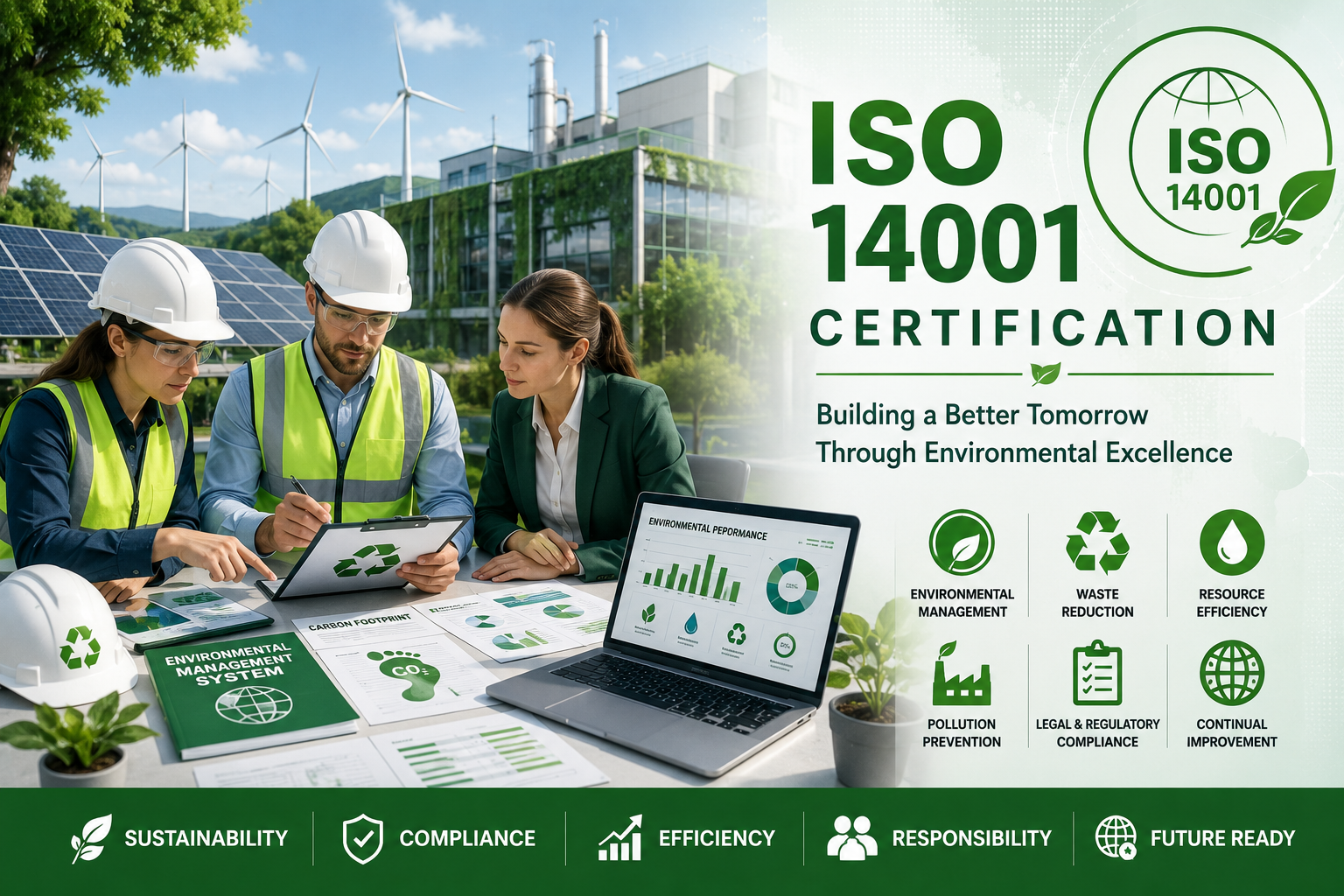
ISO 14001 Environmental Management System (EMS)
ISO 45001 Occupational Health and Safety Management System (OHSMS)
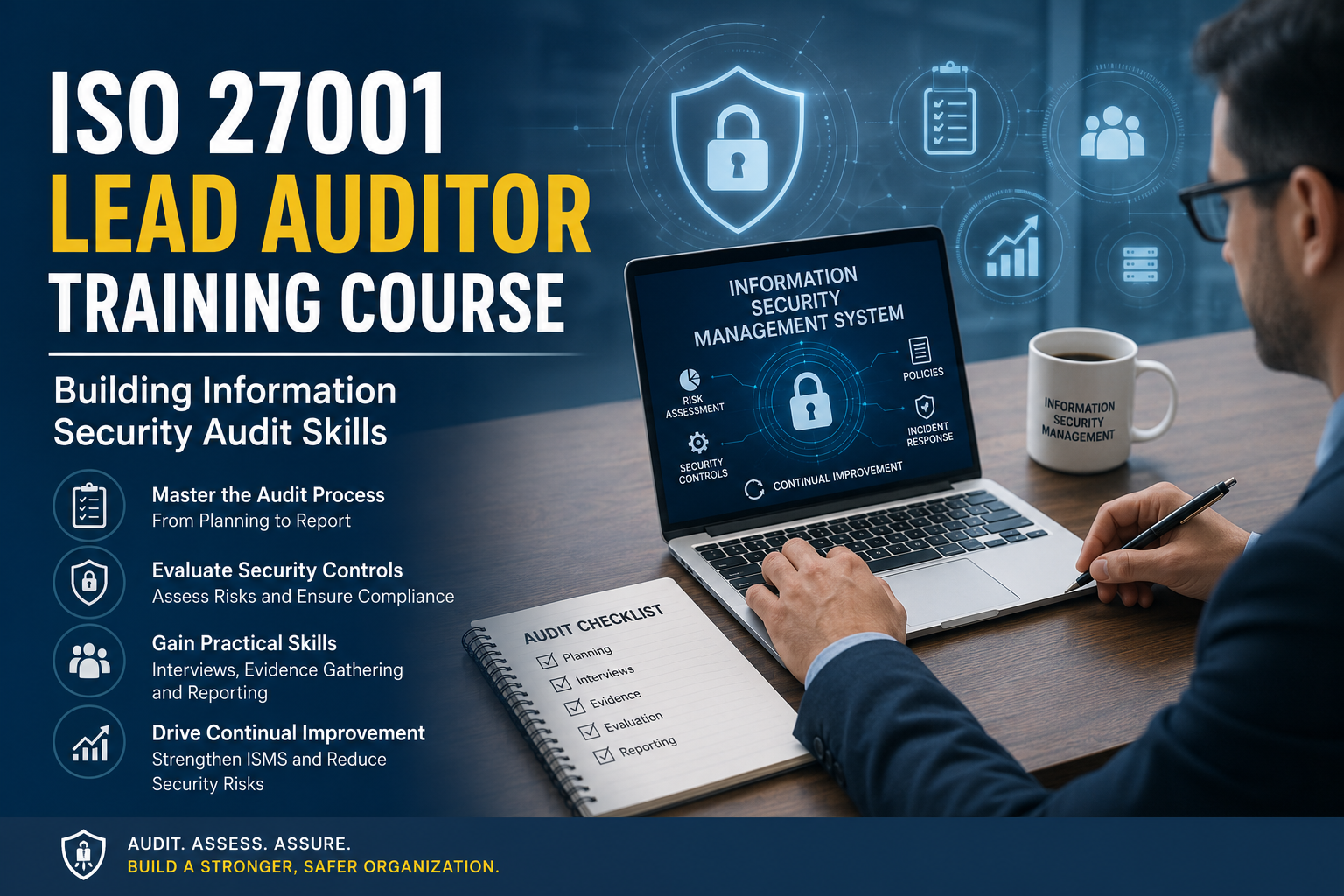
ISO 27001 Information Security Management System (ISMS)
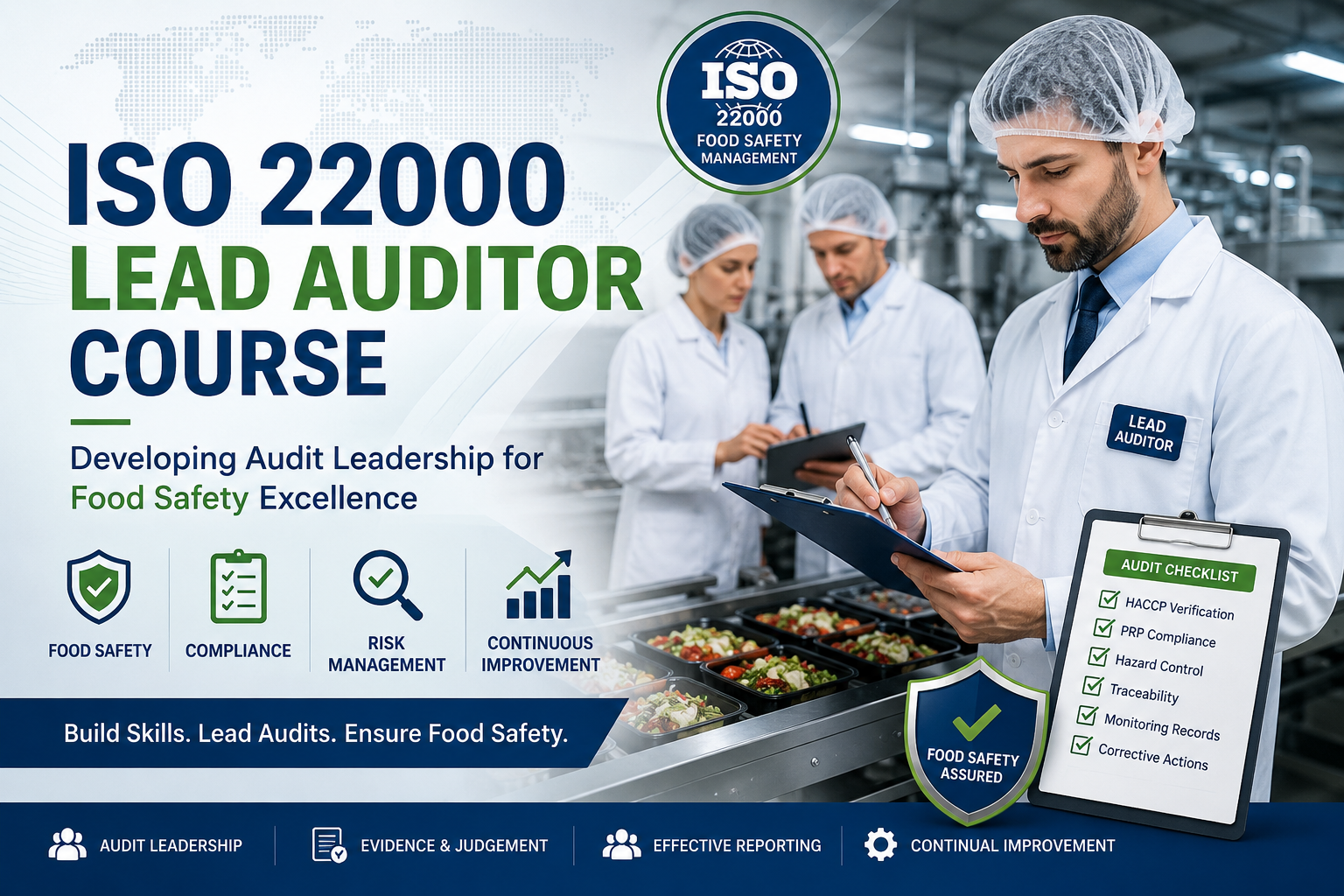
ISO 22000 Food Safety Management System (FSMS)
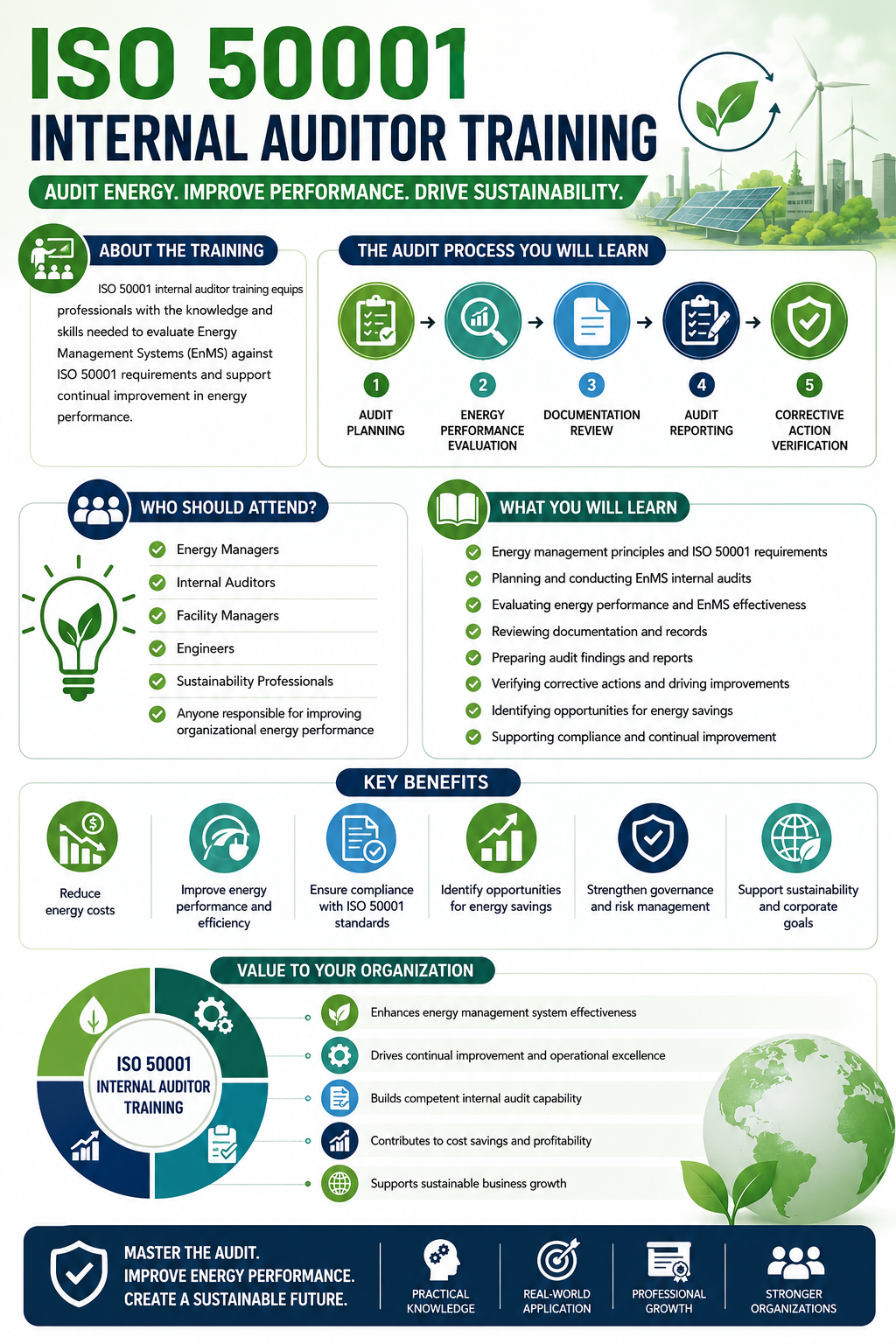
ISO 50001 Energy Management System (EnMS)
ISO 22301 Business Continuity Management System (BCMS)
Depending on your career goals, ISO training may include awareness courses, implementation training, internal auditor programs, or lead auditor certification.
Benefits of ISO Training for Professionals and Organizations
Enrolling in ISO training provides long-term advantages for both individuals and businesses.
Develop Industry-Recognized Skills
Professionals gain practical knowledge of international management system standards, auditing techniques, compliance requirements, and continual improvement practices.
Enhance Career Opportunities
Completing ISO training opens career paths such as Internal Auditor, Lead Auditor, ISO Consultant, Quality Manager, Compliance Officer, Environmental Manager, Information Security Specialist, and HSE Professional.
Improve Organizational Performance
Trained employees help organizations implement effective management systems, reduce risks, improve operational efficiency, and achieve business objectives.
Increase Customer Confidence
Organizations with trained ISO professionals are better equipped to maintain consistent quality, improve customer satisfaction, and strengthen stakeholder trust.
Support Regulatory Compliance
ISO training helps organizations understand legal requirements, industry regulations, and international best practices, reducing compliance risks.
Types of ISO Training Courses
There are several types of ISO training programs designed to meet different learning objectives and professional responsibilities.
Awareness Training
Introduces the basic concepts, principles, and requirements of a specific ISO standard. Ideal for employees and beginners.
Implementation Training
Focuses on planning, developing, implementing, and maintaining ISO management systems within an organization.
Internal Auditor Training
Teaches participants how to conduct internal audits, identify nonconformities, prepare audit reports, and support continual improvement.
Lead Auditor Training
Develops advanced auditing skills required to lead first-party, second-party, and third-party audits according to internationally accepted auditing principles.
Customized Corporate Training
Many organizations choose tailored ISO training programs that address their industry-specific processes, compliance requirements, and business objectives.
Latest Trends in ISO Training for 2026
The future of ISO training is shaped by digital innovation, sustainability, and evolving regulatory expectations.
Artificial Intelligence in ISO Management
AI-powered tools help professionals analyze audit data, predict operational risks, automate compliance monitoring, and improve decision-making.
Digital Learning Platforms
Modern ISO training is increasingly delivered through virtual classrooms, interactive learning portals, cloud-based resources, and mobile applications.
Remote Auditing Skills
Organizations are adopting virtual audits using secure online collaboration platforms. Training programs now include remote audit planning, digital evidence collection, and virtual interview techniques.
ESG and Sustainability Integration
Businesses are integrating ISO standards with Environmental, Social, and Governance (ESG) strategies. Professionals require updated ISO training to support sustainability reporting and responsible business practices.
Integrated Management Systems
Organizations increasingly combine ISO 9001, ISO 14001, ISO 45001, ISO 27001, and ISO 50001 into a single management system. Modern ISO training prepares professionals to manage and audit integrated systems effectively.
How to Choose the Best ISO Training Provider
Selecting the right ISO training provider is essential for gaining practical knowledge and recognized certification.
Before enrolling, evaluate the following factors:
Experienced and certified trainers
Updated course content aligned with the latest ISO standards
Practical case studies and audit simulations
Internationally recognized certification
Flexible classroom and online learning options
Comprehensive study materials
Mock examinations and assessments
Positive participant reviews
Post-training technical support
Career guidance and networking opportunities
Choosing a reputable provider ensures that your ISO training delivers practical skills that can be immediately applied in the workplace.
Conclusion
ISO training is one of the most valuable professional development investments for individuals and organizations committed to achieving operational excellence, regulatory compliance, and continual improvement. As industries embrace digital transformation, Artificial Intelligence, sustainability initiatives, and integrated management systems, the demand for skilled ISO professionals continues to grow across manufacturing, healthcare, IT, food processing, logistics, construction, energy, and service sectors.
Modern ISO training programs go beyond traditional classroom learning by incorporating digital auditing, cloud-based management systems, ESG reporting, cybersecurity awareness, and data-driven decision-making. These skills enable professionals to contribute effectively to organizational success while strengthening their own career prospects.
Whether you are beginning your journey with ISO standards or seeking advanced auditing qualifications, investing in ISO training provides internationally recognized knowledge, practical experience, and professional credibility. By choosing the right training provider and continuously updating your skills, you can build a rewarding career and help organizations achieve long-term business excellence in an increasingly competitive global market.





Write a comment ...