Introduction
As Indian businesses continue expanding into global markets, maintaining internationally recognized quality and compliance standards has become more important than ever. ISO certification in India helps organizations demonstrate their commitment to quality, safety, environmental responsibility, information security, and continual improvement. Whether you are a startup, MSME, manufacturer, service provider, or multinational company, obtaining ISO certification in India enhances credibility and opens new business opportunities.
In 2026, government initiatives such as Digital India, Make in India, sustainability programs, and increased export demand have accelerated the adoption of ISO management systems. Companies are also focusing on digital transformation, cybersecurity, ESG (Environmental, Social, and Governance) practices, and supply chain resilience, making ISO certification an essential business investment.
1. What Is ISO Certification in India?
ISO certification in India is a formal recognition that an organization's management system complies with internationally accepted ISO standards developed by the International Organization for Standardization (ISO). Certification is issued after an independent certification body evaluates the organization's processes and confirms compliance with the selected standard.
Popular ISO standards include:
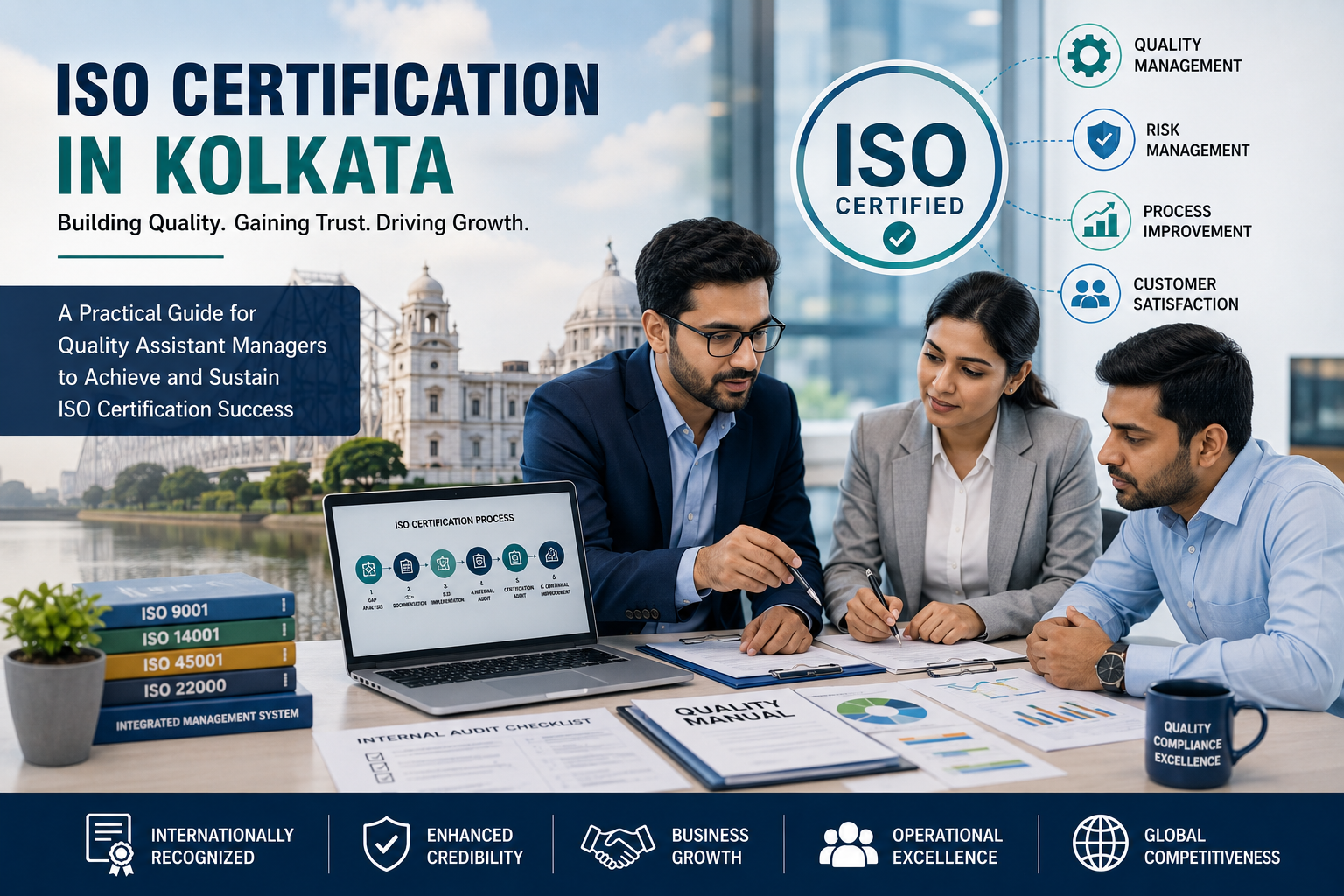
ISO 9001 – Quality Management System
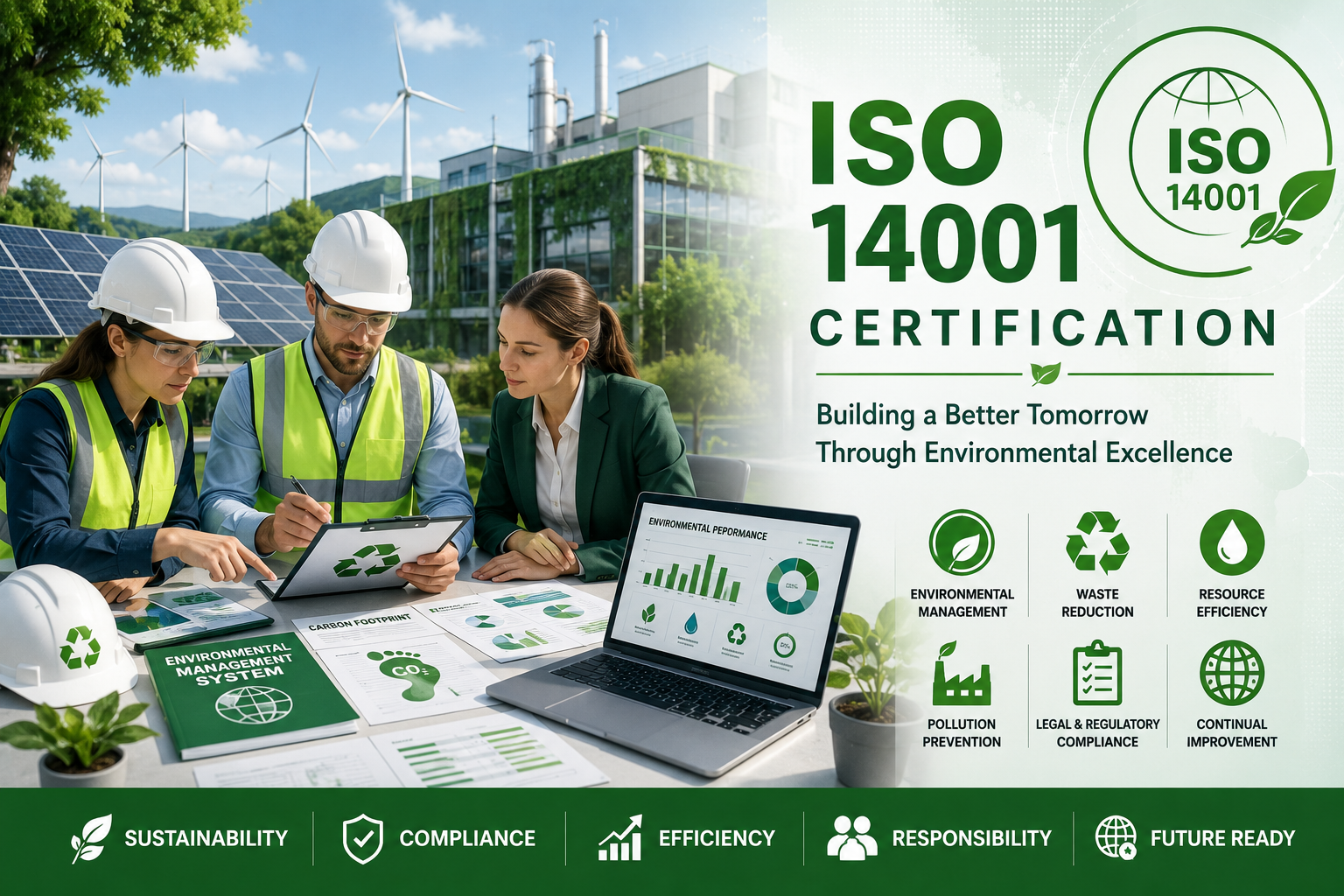
ISO 14001 – Environmental Management System
ISO 45001 – Occupational Health and Safety Management System
ISO 27001 – Information Security Management System
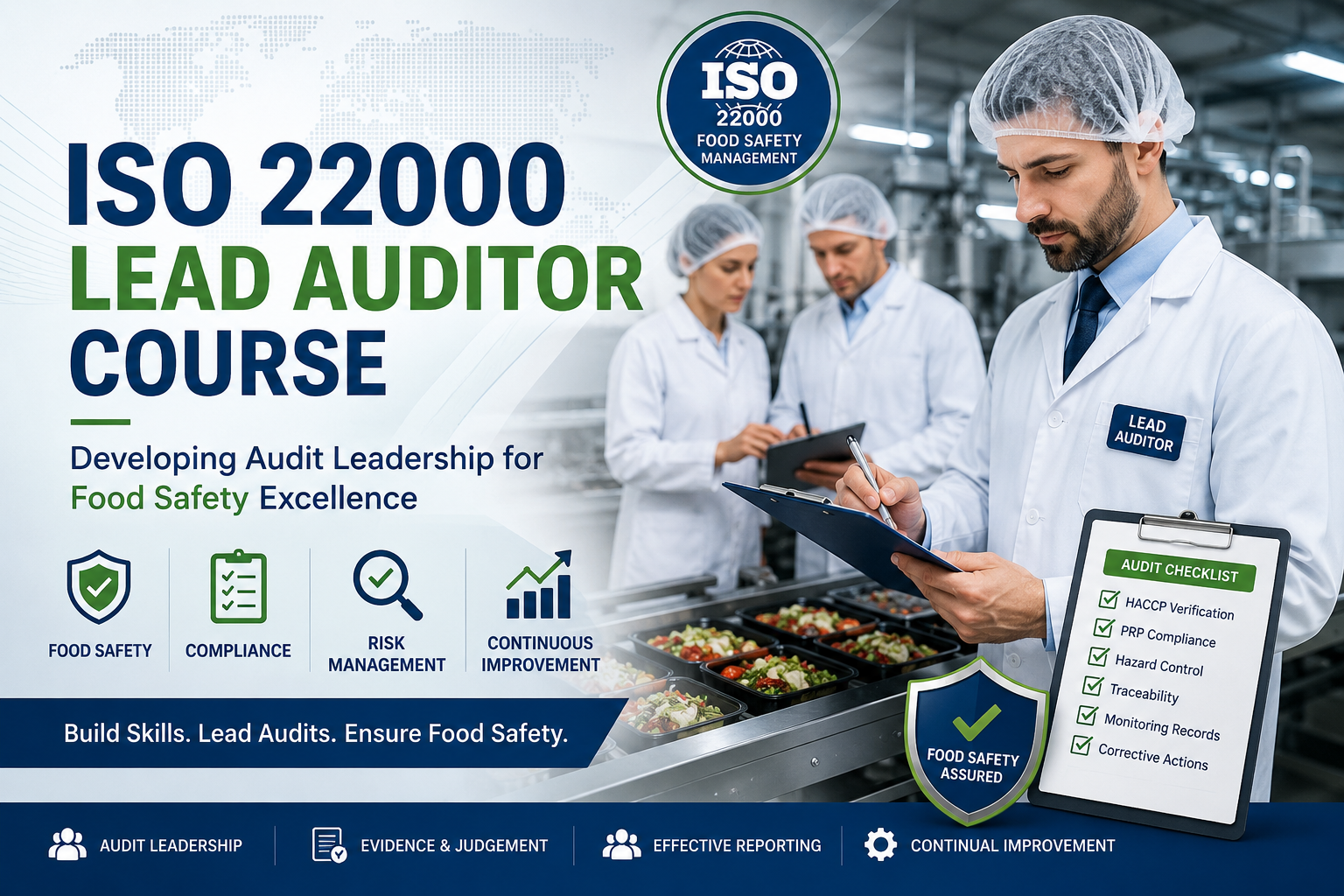
ISO 22000 – Food Safety Management System
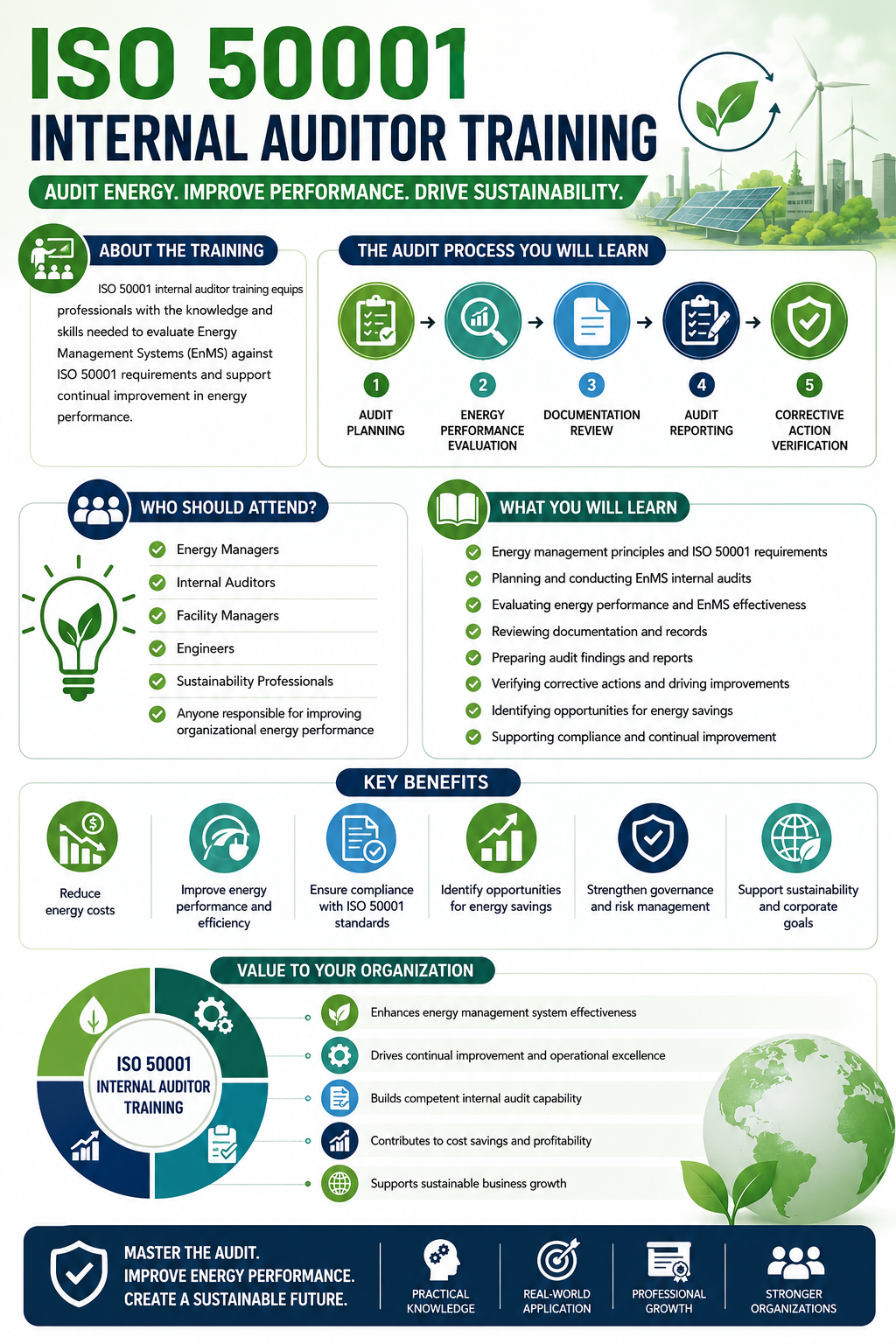
ISO 50001 – Energy Management System
By obtaining ISO certification in India, organizations improve operational efficiency, customer satisfaction, regulatory compliance, and business performance.
2. Why Is ISO Certification in India Important in 2026?
The demand for ISO certification in India continues to grow because businesses must meet evolving customer expectations and international compliance requirements.
Digital transformation
Companies are adopting automation, AI-powered quality management, and cloud-based documentation, making standardized management systems more valuable.
Export opportunities
International buyers often prefer suppliers with recognized ISO certifications to ensure consistent product and service quality.
ESG and sustainability
Organizations are implementing ISO standards to support environmental responsibility, energy efficiency, and sustainable business practices.
Stronger cybersecurity
With increasing cyber threats, businesses are integrating ISO 27001 to strengthen information security and protect customer data.
These trends make ISO certification in India a strategic advantage for businesses across all industries.
3. Key Benefits of ISO Certification in India
Implementing ISO certification in India offers numerous advantages for organizations of all sizes.
Improved business credibility
ISO certification demonstrates commitment to internationally accepted management practices, increasing customer confidence.
Better operational efficiency
Clearly defined processes reduce errors, improve productivity, and streamline daily operations.
Higher customer satisfaction
Consistent quality and continual improvement lead to stronger customer relationships and repeat business.
Competitive advantage
Certified organizations often gain preference in government tenders, private contracts, and international business opportunities.
Regulatory compliance
ISO standards help organizations align with legal, industry, and customer-specific requirements while reducing operational risks.
Overall, ISO certification in India supports long-term business growth and sustainable success.
4. How to Obtain ISO Certification in India
The process for obtaining ISO certification in India follows a structured approach.
Step 1: Select the appropriate ISO standard
Choose the management system that matches your business objectives and industry requirements.
Step 2: Implement the management system
Develop policies, procedures, risk assessments, and documentation according to the selected ISO standard.
Step 3: Conduct internal audits
Evaluate system performance, identify gaps, and implement corrective actions before the certification audit.
Step 4: Certification audit
An accredited certification body performs Stage 1 and Stage 2 audits to verify compliance.
Step 5: Certification and continual improvement
Once compliance is confirmed, the organization receives certification and undergoes periodic surveillance audits to maintain certification.
Proper preparation ensures a smoother ISO certification in India process and long-term compliance.
5. Who Needs ISO Certification in India?
ISO certification in India is suitable for organizations across various industries and business sizes.
It is particularly valuable for:
Manufacturing companies
IT and software firms
Healthcare organizations
Educational institutions
Construction companies
Food and beverage businesses
Logistics providers
Government contractors
MSMEs and startups
Export-oriented organizations
As businesses increasingly integrate multiple management systems, ISO certification in India enables organizations to improve efficiency while meeting customer and regulatory expectations.
Conclusion
ISO certification in India has become an essential business tool for organizations seeking sustainable growth, international recognition, and operational excellence. It strengthens management systems, improves customer satisfaction, supports regulatory compliance, and enhances competitiveness in both domestic and global markets.
With emerging trends such as artificial intelligence, digital quality management, cybersecurity, ESG reporting, and resilient supply chains shaping the future of business in 2026, organizations investing in ISO certification in India are better positioned for long-term success. Whether you are a startup, MSME, or large enterprise, implementing ISO standards demonstrates your commitment to quality, continual improvement, and business excellence while creating new opportunities for growth in an increasingly competitive marketplace.






Write a comment ...