Introduction
In today's competitive business environment, organizations across manufacturing, IT, healthcare, education, construction, logistics, and professional services are increasingly adopting internationally recognized management systems. ISO certification in India helps organizations demonstrate that their processes follow defined management-system requirements and are supported by systematic improvement.
ISO certification is not limited to large enterprises. Small and medium-sized businesses can also use management-system standards to improve operational consistency, manage risks, strengthen customer confidence, and compete for domestic and international opportunities.
India's certification ecosystem includes a wide range of management systems. The National Accreditation Board for Certification Bodies (NABCB) provides accreditation for certification bodies covering areas such as quality, environmental management, information security, food safety, business continuity, energy management, and artificial intelligence management systems.
1. What Is ISO Certification in India?
ISO certification in India generally means an organization has undergone an assessment by an independent certification body against the requirements of a particular ISO management-system standard. The applicable standard depends on the organization's objectives and industry.
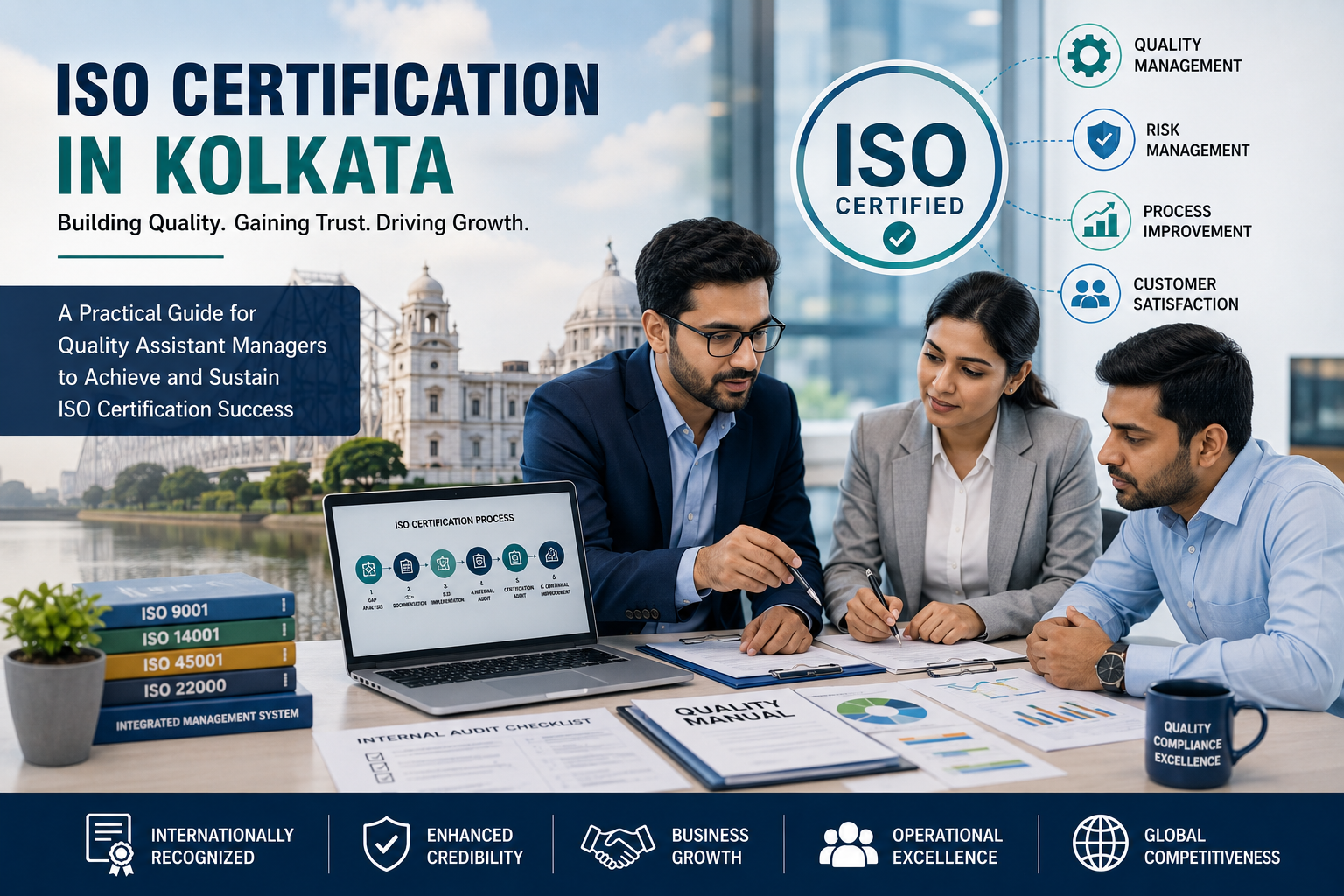
For example, ISO 9001 focuses on quality management, ISO 14001 addresses environmental management, ISO/IEC 27001 focuses on information security, ISO 45001 addresses occupational health and safety, and ISO 22000 is associated with food safety management.
An important consideration is choosing a credible certification body. NABCB accredits certification bodies according to international requirements, including ISO/IEC 17021-1, and participates in international recognition arrangements through organizations such as the International Accreditation Forum and Asia Pacific Accreditation Cooperation.
Therefore, businesses researching ISO certification in India should evaluate both the relevant ISO standard and the credentials of the certification body.
2. Popular ISO Standards for Indian Businesses
The demand for ISO certification in India varies according to business sector and customer requirements. ISO 9001 remains one of the most widely recognized standards because it provides a framework for quality management and process improvement.
Technology companies and organizations handling sensitive information frequently consider ISO/IEC 27001. NABCB's current management-system listings include multiple accredited certification bodies for information security management systems.
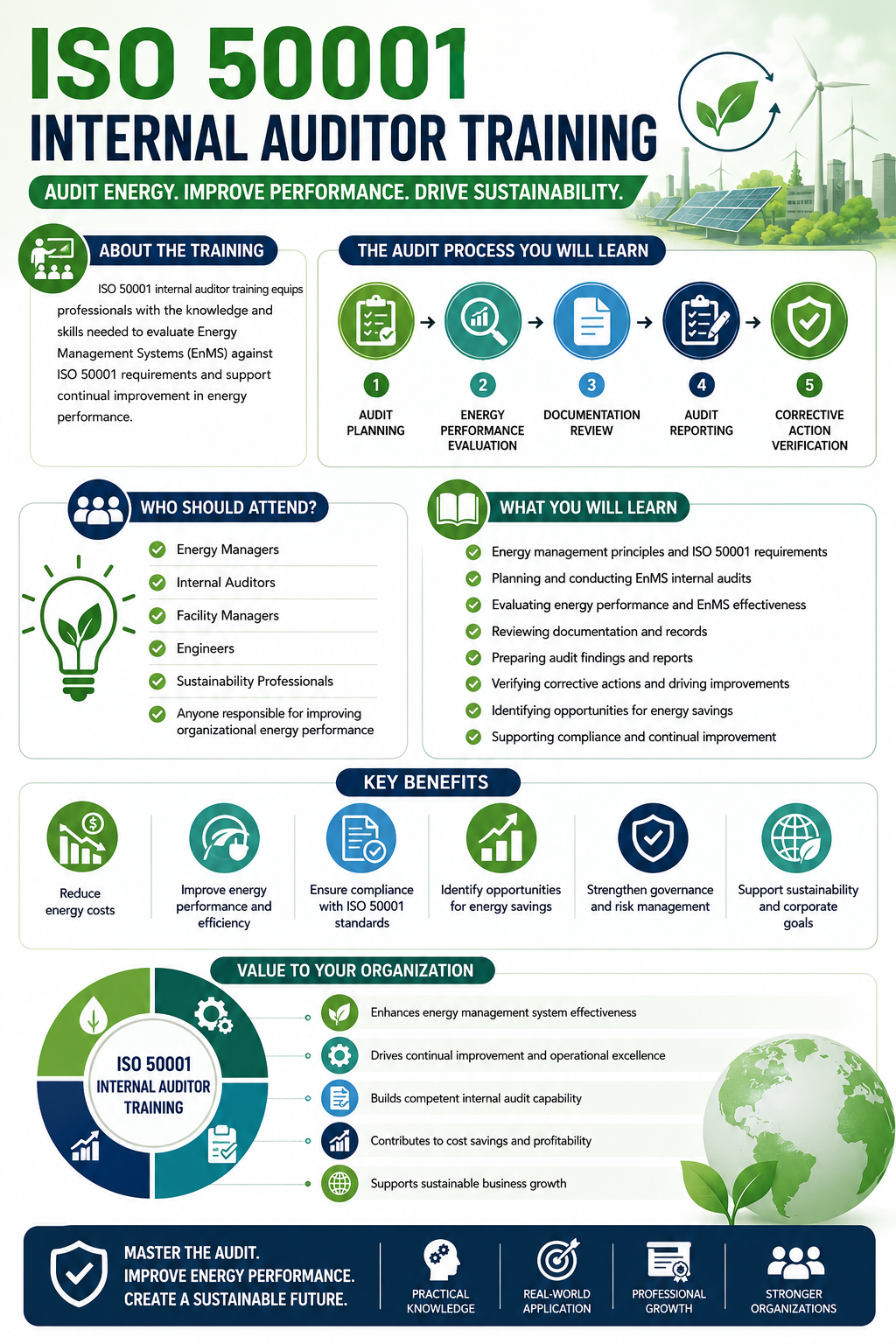
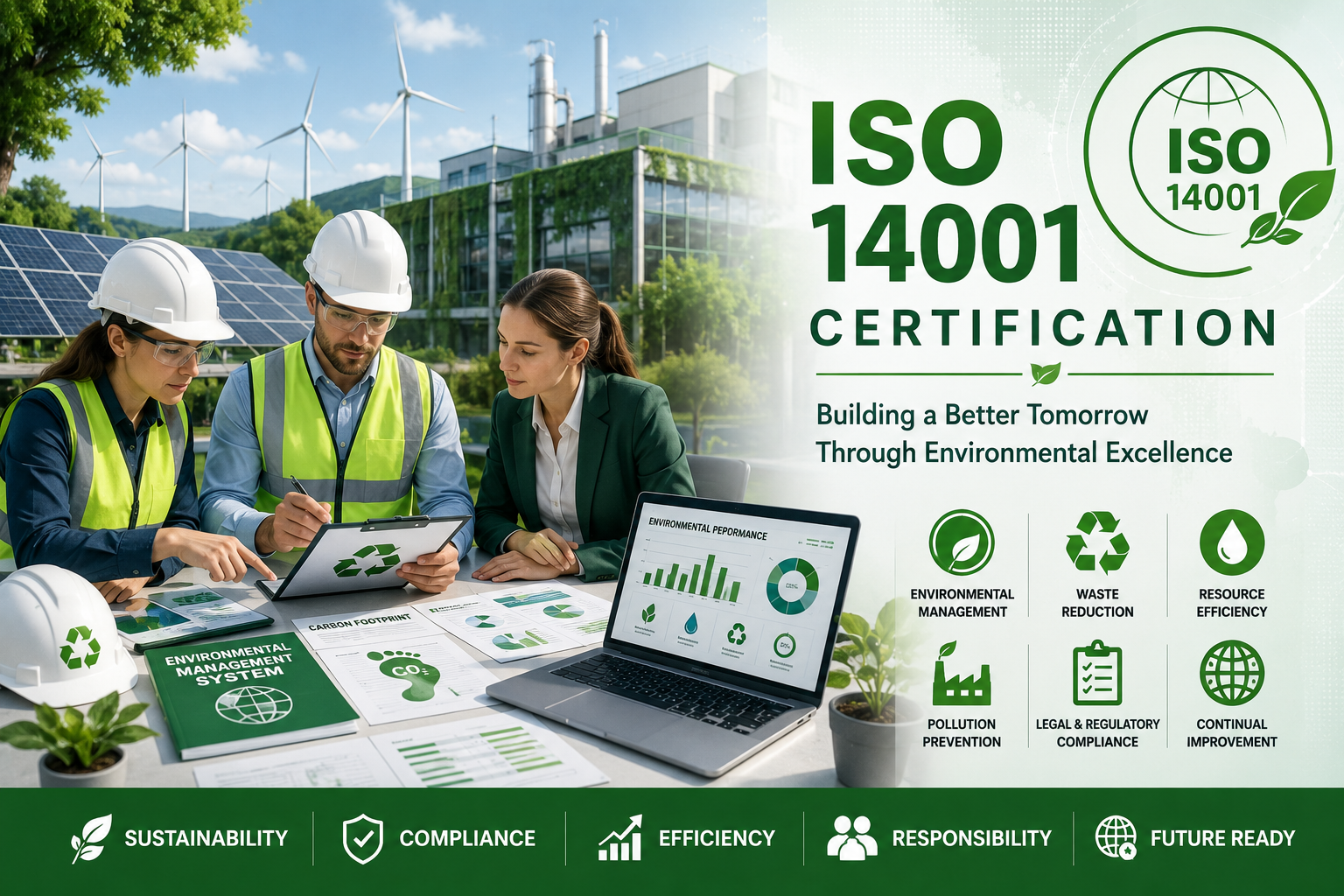
Environmental responsibility is another growing consideration, making ISO 14001 relevant for businesses seeking structured environmental management. Energy-intensive organizations may also consider ISO 50001, while organizations involved in food production and supply chains may benefit from ISO 22000.
The expanding certification landscape also includes newer areas. NABCB's current listings show accredited certification activity for Artificial Intelligence Management Systems, including ISO/IEC 42001, with additional certification bodies added during 2026. This indicates that ISO certification in India is expanding alongside emerging technologies and business risks.
3. Key Benefits of ISO Certification in India
One of the primary reasons organizations pursue ISO certification in India is the opportunity to create more consistent and measurable business processes.
A well-implemented management system can help organizations identify risks, establish responsibilities, monitor performance, document important processes, and implement corrective actions. Certification can also provide evidence to customers, partners, and other stakeholders that the organization has undergone an independent conformity assessment.
For exporters and businesses working with multinational customers, internationally recognized certification may also support supplier qualification and procurement requirements. However, certification should not be viewed simply as a marketing document. Its greatest value comes from implementing the management system effectively and continually improving it.
For information security-focused organizations, for example, ISO/IEC 27001 certification can support a structured approach to identifying and managing information-security risks.
4. How the ISO Certification Process Works
Organizations considering ISO certification in India normally begin by selecting a suitable standard and understanding its requirements. The next stage involves assessing the organization's existing processes and identifying gaps.
The organization can then develop or improve its management system, establish documented information where required, train relevant employees, implement controls and processes, and monitor performance.
An independent certification body subsequently conducts an audit. Depending on the certification scheme and circumstances, the process can involve different stages of assessment and follow-up activities.
Organizations should carefully verify the scope of certification, applicable standard, certification body's accreditation status, and audit requirements before making a decision. NABCB publishes information about accredited certification bodies and their management-system scopes, which can help organizations evaluate available options.
The certification process should ultimately be treated as a continuous improvement cycle rather than a one-time project.
5. 2026 Trends Shaping ISO Certification in India
Technology and changing regulatory expectations are influencing ISO certification in India in 2026. Artificial intelligence is particularly significant. NABCB's current records show certification activity under Artificial Intelligence Management Systems, demonstrating growing interest in structured AI governance.
Cybersecurity is another major trend. As Indian organizations increasingly use cloud platforms, remote work technologies, SaaS applications, and AI tools, information security management is becoming a strategic concern rather than solely an IT function.
Sustainability and climate-related considerations are also influencing management systems. Organizations are increasingly connecting quality, environmental performance, energy efficiency, supply-chain resilience, and business continuity.
There are also important developments in accreditation. NABCB announced that use of its accreditation symbol on accredited certificates became mandatory from 1 July 2026. This highlights the importance of checking certification documentation and accreditation details when evaluating ISO certification in India.
The certification landscape is also expanding into areas such as anti-bribery management, business continuity, aerospace quality, trustworthy digital repositories, and other specialized management systems.
Conclusion
ISO certification in India can help organizations establish structured processes, manage business risks, improve performance, and demonstrate commitment to internationally recognized management practices. The most appropriate certification depends on the organization's industry, customers, operational risks, and strategic objectives.
Businesses should avoid selecting a standard solely because it is popular. Instead, they should identify their actual business needs and choose a management system that can deliver measurable value.
As India continues to expand its digital economy and global business relationships, ISO certification in India is becoming increasingly relevant to quality, cybersecurity, sustainability, AI governance, resilience, and responsible business operations.
In 2026, organizations should also pay close attention to accreditation, current standards, emerging management systems, and certification-body credentials. Choosing an appropriately accredited certification body and implementing the management system effectively can make ISO certification in India a valuable long-term investment rather than simply a compliance exercise.








Write a comment ...